
Lithium Battery Compliance & Waste Management for UK Businesses
CellComply sets up the takeback bins, records and collection routes UK businesses need, then charges one flat price per collection when a bin is full. No monthly fees. No per-kilo meters. You only pay when something happens.
UK Battery Regulations Are Tightening
UK businesses handling lithium batteries face obligations under at least five overlapping regulatory frameworks. Non-compliance risks fines, prosecution and reputational damage.
Hazardous Waste Classification
Lithium batteries are classified as hazardous waste under UK law. Disposal through general waste streams is illegal, and movements of damaged cells need a hazardous waste consignment note.
ADR Training Now Mandatory
Since July 2025, anyone handling limited-quantity dangerous goods, including lithium batteries under ADR Class 9, must complete ADR Chapter 1.3 awareness training.
Digital Waste Tracking: Oct 2026
The new Digital Waste Tracking (DWTS) system replaces paper-based records with mandatory digital tracking of all hazardous waste movements. Receiving sites must comply from October 2026.
How Battery Collection and Compliance Works
- 1
Book a compliance review
We map your obligations, confirm what your sites handle, and quote your one-off setup and flat price per collection.
- 2
Set up once
Bins, the required signage, a simple logbook and a training session for your team. Pay once and you are set up properly.
- 3
Request a collection when a bin is full
A vetted ADR carrier collects at one flat all-in price and hands over the consignment note on the day. Nothing to pay in between.
- 4
Paperwork lands on file
Consignment notes and recycling evidence land in your duty of care file automatically, ready for any inspection.
Battery Compliance Services for Every Stage

Compliance Review & Setup
We help you document and improve your battery process, map likely obligations, and leave you with a practical action plan.
Learn more
Bins & Collections
Takeback bins, signage, a logbook and staff training set up once, then one flat price per collection when a bin is full. No monthly fees.
Learn more
Ongoing Compliance Support
Optional add-on: annual reviews, documentation upkeep, DWT readiness and proportionate retainer support for battery and WEEE processes.
Learn more
Partner-Delivered Battery Safety Training
Battery handling and ADR-awareness sessions coordinated with suitable specialists where formal dangerous goods input is needed.
Learn more Vape Takeback: Bins & Collections
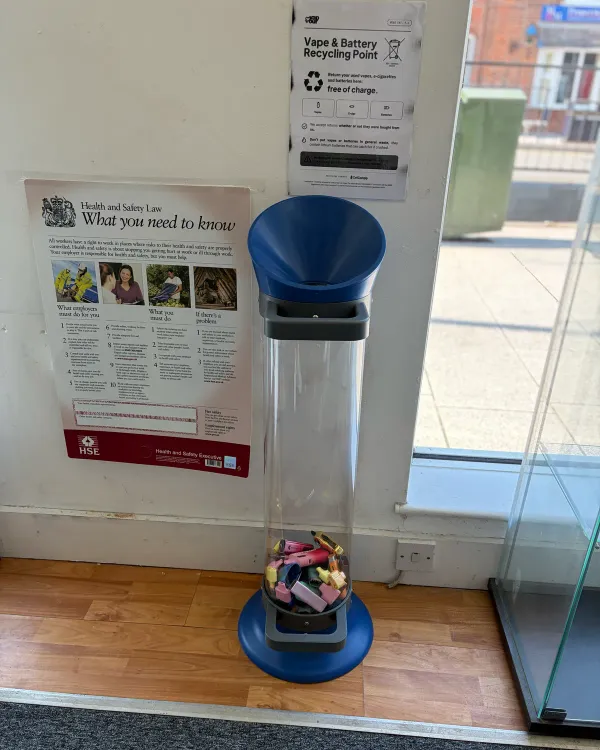
A one-off setup per store covers the takeback bins, the required signage, a logbook and staff training. Then one flat price per collection when a bin is full: carrier, consignment note and record-keeping all included. No monthly fees. Multi-store estate? Stores in the same area are routed together on one run, with one invoice. Want the ongoing admin run for you? Optional Compliance Cover is there if you need it.
See the vape takeback setupIndustries We Serve
Specialist compliance support tailored to the regulatory obligations of your sector.
Solar & Battery Storage Installers
Removed-pack disposal, damaged batteries and ADR transport
Vape Retailers
Takeback notices, returned-vape logs and collection routes
E-Bike & E-Scooter
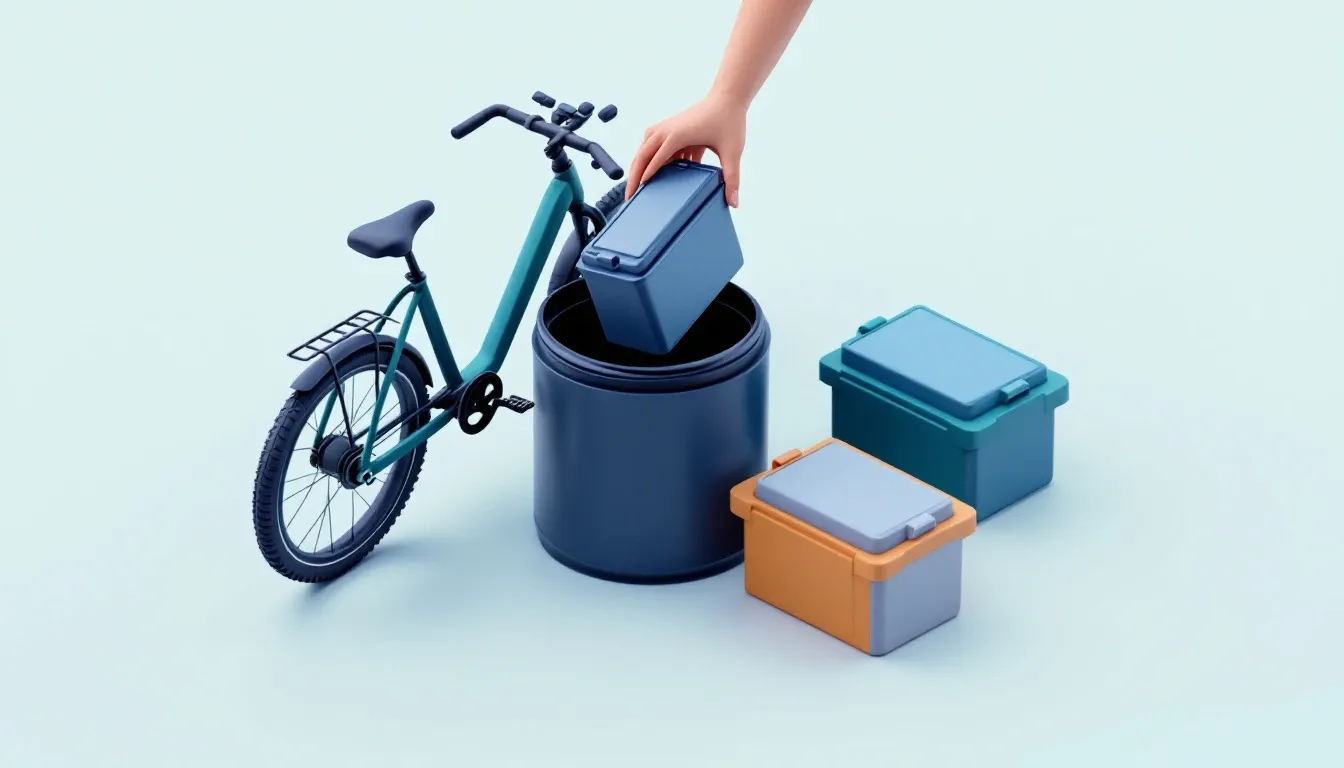
Dead customer hand-in packs, fire-safe drums and flat-price collections
Data Centres
UPS refresh cycles, hazardous classification and ADR transport
Retailers
Takeback obligations, in-store collection and scheme registration
Warehouses & Logistics
Forklift batteries, Simpler Recycling and multi-site management
I Love Vapour: Vape Compliance Run Across All 7 Stores
A vape retail chain needed compliant takeback in every store: bins customers would use, staff who knew the process, and records that would satisfy Trading Standards. Cell Comply set up bins, signage, SOPs and a single collection route across all seven stores, and keeps the estate inspection-ready as the rules change. Running a multi-store estate yourself? See vape compliance for retail chains.
What Our Clients Say
Early CellComply clients on getting their battery and vape compliance sorted.
CellComply took the entire vape takeback compliance headache off our plate. The setup was quick, everything was clearly explained, and we passed our first collection without a hitch. Highly recommend for any retailer selling vapes.
Professional, knowledgeable and fast. We had our compliance sorted and our first battery collection booked within days.
As a retailer with a few sites, staying on top of the new regulations was becoming a huge issue. The CellComply team handles collections reliably and the paperwork is always spot on!

Not Sure What Your Obligations Are?
UK battery regulations are complex and overlapping. Producer responsibility, ADR transport rules, WEEE obligations, and Digital Waste Tracking all intersect differently depending on your business. Our compliance review tells you exactly where you stand, and what you need to do next. Selling vapes? Check what your current collection contract really costs with the vape collection overpayment checker.
Frequently Asked Questions
The questions UK businesses ask most about lithium battery compliance, regulations and disposal.
Explore all regulationsWhat are the new rules for lithium-ion batteries in the UK?
UK regulations around lithium-ion batteries are tightening across multiple frameworks. ADR Chapter 1.3 training became mandatory in July 2025 for anyone handling limited-quantity dangerous goods. The Waste Batteries and Accumulators Regulations require producers placing over 1 tonne of portable batteries on the UK market to join a Battery Compliance Scheme. Digital Waste Tracking launches in October 2026 for receiving sites, requiring digital records of all hazardous waste movements including batteries.
What is the battery law in the UK?
The primary legislation is the Waste Batteries and Accumulators Regulations 2009 (as amended), which sets out producer responsibility obligations for anyone who places batteries on the UK market. This is supplemented by ADR regulations for transport, the Environmental Permitting Regulations for storage and treatment, and the upcoming Digital Waste Tracking system. Businesses may also have obligations under WEEE regulations if batteries are contained within electrical equipment.
Do I need a battery compliance scheme?
If your business places more than 1 tonne of portable batteries on the UK market per year, you must register with a Battery Compliance Scheme by 15 October each year. For industrial and automotive batteries, producers must take back waste batteries from end users and arrange for treatment and recycling. A compliance review and setup can help document which duties are likely to apply based on the types and volumes of batteries you handle.
How do I dispose of lithium batteries commercially?
Commercial lithium batteries can require hazardous waste controls and dangerous goods transport checks. They cannot be placed in general waste. Batteries should move through an appropriate waste carrier to a permitted treatment facility, and you should retain consignment notes, transfer records and recycling evidence as part of your duty of care file. Digital Waste Tracking will require digital records of these movements from October 2026.
What is Digital Waste Tracking?
Digital Waste Tracking (DWT) is a new UK government system replacing paper-based waste transfer and consignment notes with digital records. For battery waste, this means all movements of hazardous waste batteries will need to be recorded digitally. Receiving sites must comply from October 2026, with carriers and brokers following from October 2027. Businesses handling battery waste should prepare now by reviewing their current waste streams and documentation processes.
CellComply Ltd
UK lithium battery compliance, waste management and regulatory consulting, working with businesses across the country from our London base.
London E8 4QN
United Kingdom