
Somewhere Safe for the Dead E-Bike Batteries Piling Up
Customers hand in dead and damaged packs, no normal carrier will take them, and the pile in the back room keeps growing. The deal is simple: bin delivered, one flat price per collection when it fills, hazardous waste consignment note included. No subscription.
- 01 UN-approved drum, vermiculite layer
- 02 Flat price per collection
- 03 No subscription
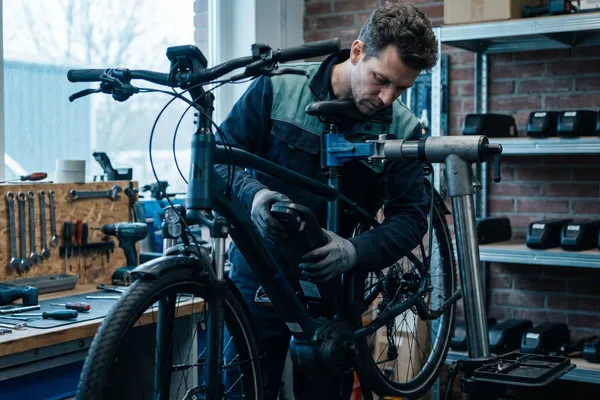
Every e-bike shop and workshop ends up with them: dead packs from upgrades, damaged packs from crashes, swollen packs nobody wants to touch. They are hazardous waste, general carriers refuse them, and London Fire Brigade attended record numbers of e-bike and e-scooter battery fires in 2025. The fix is not a subscription or a compliance project. It is a proper drum in the corner, a flat price per collection when it fills, and paperwork that lands on file by itself.
One quote covers it: a one-off setup for the UN-approved drum with its fire-suppressant vermiculite layer, then a flat all-in price per collection when it is full, with the licensed ADR carrier, hazardous waste consignment note and record-keeping all included. Nothing per kilo, no subscription, and nothing to pay while the drum fills. Book a call and we will quote it for your shop.
E-Bike Retailers & Dealers
- A safe home for the dead and damaged packs customers hand in
- UN-approved drum with a fire-suppressant vermiculite layer
- Flat-price collection when the drum is full, consignment note included
- Staff training on safe battery handling and storage
Repair & Service Centres
- Safe storage of damaged or swollen batteries awaiting collection
- A documented route out for packs no normal carrier will take
- ADR Chapter 1.3 awareness training for staff handling batteries
- Consignment notes and documentation for hazardous waste transfers
Hire & Fleet Operators
- Hazardous waste duty of care for end-of-life battery packs
- ADR-compliant transport when moving batteries between depots
- Digital Waste Tracking readiness (Oct 2026 for receiving sites)
- Regular fire risk assessments for charging and storage facilities
E-Bike & Battery Importers
- Producer responsibility registration under Waste Batteries Regulations
- Battery Compliance Scheme membership if placing 1+ tonne on UK market
- ADR documentation for receiving international shipments
- WEEE producer registration for electrical equipment
Your Compliance Obligations
The drum and the paperwork also keep you straight with the frameworks that apply to e-bike batteries. Here's what sits behind the setup.
Producer Responsibility
Importers placing batteries on the UK market must register and fund collection and recycling.
ADR Class 9: Dangerous Goods
Large Li-ion packs (UN 3480/3481) require ADR-certified transport, packaging, and Chapter 1.3 trained staff.
WEEE Regulations
E-bikes containing batteries fall under WEEE. Scrapped e-bikes classified under waste code 16 01 04*.
How We Help E-Bike Businesses
The drum and flat-price collections first, staff training for the risky moments, and a compliance review for importers and complex cases.

Bins & Collections
A UN-approved drum with a fire-suppressant vermiculite layer, delivered to your shop. One flat price per collection when it's full, hazardous waste consignment note included.
Learn more
Partner-Delivered Battery Safety Training
ADR Chapter 1.3 training, battery safe handling, storage protocols, and emergency response for your team.
Learn more
Compliance Review & Setup
For importers and complex cases: we review your e-bike operation against all five regulatory frameworks and tell you exactly where you stand.
Learn moreNew to the topic? Start with the e-bike battery disposal guide, keep the swollen battery steps pinned up in the workshop, and see why this matters on the UK battery fire tracker.
Sound Familiar?
Common scenarios for e-bike businesses.
Dead customer packs are piling up in the back room
Every e-bike shop accumulates them: dead and damaged hand-in packs that no normal waste carrier will touch, sitting in a corner getting closer to a fire risk assessment problem. The deal is simple: we deliver a UN-approved drum with a fire-suppressant vermiculite layer, you fill it, and when it's full a licensed ADR carrier collects it for one flat price with the consignment note handed over on the day.
We deliver the drum and take the pile off your hands, one flat price per collection.A customer returns a swollen battery
A visibly damaged or swollen lithium-ion pack is a thermal runaway risk. Your staff need to know exactly how to isolate it, where to store it, and who to call. Without ADR Chapter 1.3 training and a documented emergency procedure, you're exposed, both to physical danger and regulatory liability.
We train your team and set up your emergency battery protocol.Your fleet contract requires compliance proof
Local authorities and transport operators increasingly require documented battery compliance as a condition of hire fleet contracts. A compliance review gives you a dated, authoritative report covering all five regulatory frameworks, evidence that your operation meets every requirement.
Talk about your obligations and get documented proof.of UK bike shops currently have an end-of-life battery disposal plan in place
Annual UK cost of lithium battery waste fires
Waste fires linked to lithium batteries attended by UK fire services in 2023
Digital Waste Tracking mandatory for receiving sites handling hazardous waste
E-Bike Battery Disposal FAQs
Common questions from e-bike retailers, repair shops, fleet operators and importers.
How do the bin and collections work, and what do they cost?
We deliver a UN-approved drum with a fire-suppressant vermiculite layer, sized for e-bike and e-scooter packs, as part of a one-off setup for your shop. When it's full, you request a collection: a licensed ADR carrier collects it for one flat all-in price, quoted for your shop upfront, with the hazardous waste consignment note handed over on the day and the collection logged. No subscription, nothing per kilo, and nothing to pay while the drum sits there filling up. Book a call for the quote.
Do I need to register as a battery producer if I import e-bikes?
Yes. If you're the first entity placing batteries on the UK market, whether as standalone products or inside e-bikes, you're classified as a "producer" under the Waste Batteries and Accumulators Regulations. Producers placing more than 1 tonne of portable batteries must join a Battery Compliance Scheme by 15 October each year. Producers below 1 tonne must register directly with the Environment Agency.
How should I store end-of-life e-bike batteries?
End-of-life lithium-ion batteries must be stored in a cool, dry, well-ventilated area away from heat sources and flammable materials. They should be kept in UN-approved containers or on non-combustible surfaces with individual terminal protection. Damaged or swollen batteries require additional isolation. Your fire risk assessment must specifically address battery storage, and staff handling batteries need ADR Chapter 1.3 awareness training.
What's the waste code for scrapped e-bikes?
The Environment Agency's Regulatory Position Statement RPS 343 confirms that scrapped e-bikes should be allocated waste code 16 01 04* (end-of-life vehicles classified as hazardous waste). E-scooters, segways, and hoverboards have separate waste code designations. Batteries must be removed by hand before any mechanical treatment of the vehicle.
Do I need ADR training to handle e-bike batteries?
If your business handles lithium-ion battery packs, even in limited quantities, your staff need ADR Chapter 1.3 awareness training. This has been mandatory since July 2025 for anyone involved in the handling, storage, or transport of dangerous goods including lithium batteries. Training must be refreshed periodically and documented for a minimum of 6 years.
What is the battery takeback obligation for e-bike retailers?
If you sell more than 32kg of portable batteries per year (including batteries inside e-bikes), you must offer customers a free in-store collection point for used batteries. You must publicise this service at the point of sale. Collected batteries must be stored safely and collected by a licensed waste carrier for recycling.
How will Digital Waste Tracking affect e-bike businesses?
Digital Waste Tracking launches October 2026 for receiving sites, replacing paper-based consignment notes with mandatory digital records. If your e-bike business generates hazardous waste (which end-of-life lithium batteries are), you'll need systems in place to create and manage digital waste records. Reviewing this now identifies what you need to prepare.

Got a Pile of Packs That Needs to Go?
Tell us what you sell and repair, and we'll quote the drum setup and a flat all-in price per collection for your shop. Consignment note included, no subscription anywhere.