
Battery Compliance for Warehouses & Logistics Sites
Forklift fleets, charging areas, returned electrical goods, damaged lithium batteries, and multi-site waste movements all create compliance obligations. We help warehouse and logistics teams keep battery risk under control.
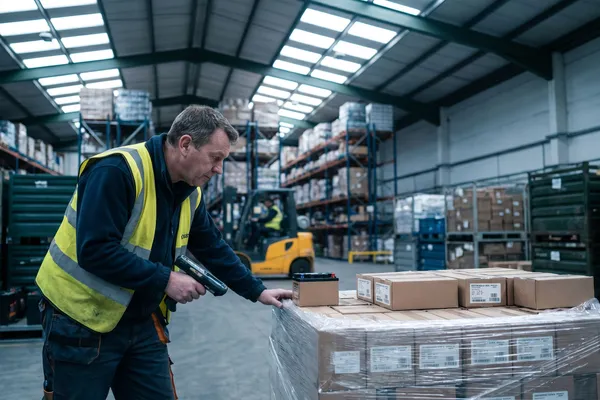
Warehouse battery compliance is no longer just a maintenance issue. Lithium forklift batteries, returned consumer electronics, damaged goods, and waste movements all need documented controls across storage, handling, transport, and recycling.
Third-Party Logistics Operators
- Battery waste procedures across multiple customer contracts
- Returned electrical goods and damaged lithium battery handling
- Licensed waste carrier checks for collections
- Site-level documentation for waste movements
Forklift & MHE Fleet Operators
- Lithium-ion and lead-acid forklift battery handling controls
- Charging area risk assessment and incident procedure
- End-of-life battery collection and recycling evidence
- Training for operators and maintenance teams
E-Commerce Fulfilment Centres
- Returned battery products separated from general returns
- Damaged goods escalation for vapes, power tools, and electronics
- WEEE and battery waste storage areas
- Carrier documentation for outbound waste movements
National Warehouse Estates
- Consistent battery handling SOPs across depots
- Centralised compliance records and contractor checks
- Digital Waste Tracking readiness by site
- Audit evidence for insurers and corporate ESG teams
Your Compliance Obligations
Warehouse and logistics sites can face overlapping duties across battery waste, ADR transport, fire safety, WEEE handling, and Digital Waste Tracking.
UK Battery Regulations
Battery handling, disposal, and producer obligations under the Waste Batteries and Accumulators Regulations.
ADR Class 9: Dangerous Goods
Lithium batteries and some battery movements require suitable packaging, documentation, and trained staff.
WEEE Obligations
Battery-containing electrical equipment can create WEEE duties for storage, takeback, treatment, and evidence.
How We Help Warehouses & Logistics Teams
Operational compliance support for forklift batteries, lithium charging areas, returns processing, and waste battery collections.

Compliance Review & Setup
We review your battery storage, charging, returns, waste handling, and contractor documentation across warehouse workflows.
Learn more
Bins & Collections
Collection and recycling documentation for forklift batteries, damaged lithium batteries, and battery-containing returned goods.
Learn more
Partner-Delivered Battery Safety Training
Practical team training for battery handling, lithium battery escalation, charging area controls, and ADR awareness.
Learn moreSound Familiar?
Common obligation scenarios for warehouse and logistics teams.
A pallet of returned electronics includes damaged batteries
Returns teams often find swollen power packs, vapes, e-bike parts, or damaged consumer electronics mixed into general goods. Without a triage process, battery risk spreads through the warehouse.
We design a returns-side battery isolation and escalation process.Your forklift fleet is moving from lead-acid to lithium
Lithium forklift batteries reduce maintenance but change the risk profile for charging, fire response, end-of-life disposal, and transport documentation.
We update your battery handling controls and disposal route before the switch scales.Each depot uses a different waste contractor
Multi-site logistics estates often have inconsistent battery collection records. That makes it hard to prove compliance, compare contractors, or prepare for Digital Waste Tracking.
We standardise evidence and centralise the battery waste record set.UK searches per month for lithium-ion forklift battery
UK searches per month for lithium-ion forklift battery
quarterly growth trend for lithium-ion forklift battery searches
Digital Waste Tracking starts for hazardous waste receiving sites
Warehouse Battery Compliance FAQs
Common questions from logistics operators, warehouse managers, and facilities teams.
Are forklift batteries hazardous waste?
End-of-life forklift batteries require controlled handling and recycling. Lead-acid and lithium-ion batteries have different risks and documentation requirements, but both should be kept out of general waste and collected by an appropriate contractor.
What does a warehouse battery collection cost?
Standard collections are priced as one flat all-in price per collection, quoted for your site or network, charged only when a container is full. The licensed carrier, hazardous waste consignment note and record-keeping are included, nothing is priced per kilo, and there are no monthly fees on the standard service. Damaged lithium batteries and one-off clearances are quoted per job before anything moves.
Do warehouse staff need battery handling training?
Staff handling batteries or battery-containing returns should know how to recognise damaged lithium batteries, where to isolate them, how to avoid short circuits, and who arranges collection. Teams involved in transport or packaging may also need ADR awareness.
What should a warehouse do with damaged lithium batteries?
Damaged lithium batteries should be isolated from general stock and waste, kept away from combustible materials, and assessed for safe collection. They should not be crushed, compacted, or sent through normal returns channels.
How does Digital Waste Tracking affect logistics sites?
Digital Waste Tracking will require digital records for waste movements in phases from October 2026. Warehouses generating hazardous battery waste should identify who creates, approves, and stores records for each site and waste stream.
Can Cell Comply support multi-site logistics operations?
Yes. We can review representative depots, create a standard battery handling process, check contractors, train teams, and manage ongoing evidence across multiple warehouses.

Need Control of Battery Risk Across Your Sites?
A compliance review checks battery storage, forklift battery handling, returned goods processes, waste documentation, and Digital Waste Tracking readiness across your operation.